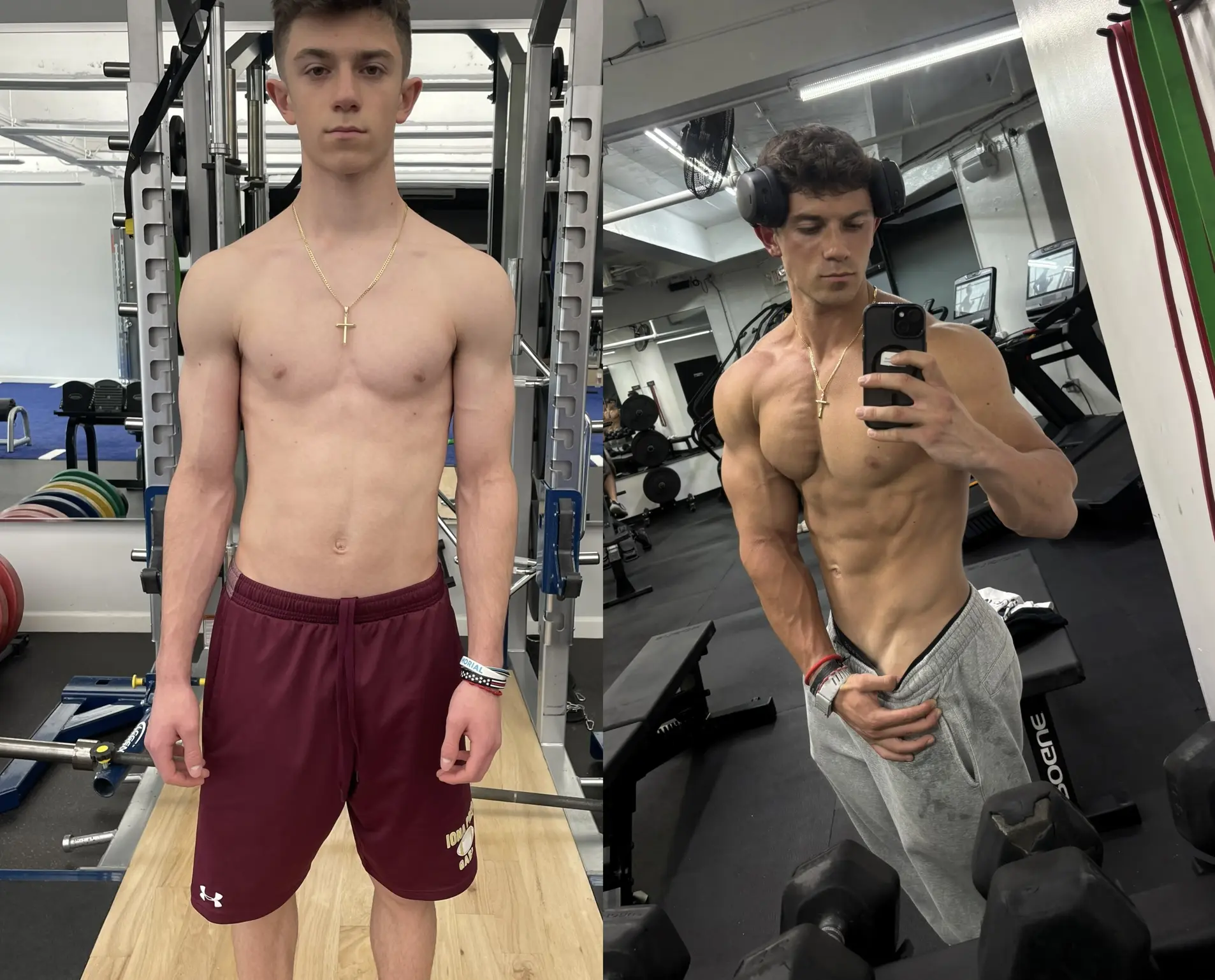
How Much Protein Do You Really Need to Build Muscle?
Protein might be the most talked-about and most confusing topic in fitness. Some people say you need double your bodyweight in grams. Others say it barely matters. Supplement companies would love for you to believe you need a shake every two hours.
As a natural bodybuilder, I can't afford to get nutrition wrong, so here's the practical version: how much protein you need to build muscle, how to spread it out, and what actually matters.
Why protein matters for muscle
When you train hard, you create a stimulus for your muscles to adapt and grow. Protein provides the amino acids your body uses to repair and build that tissue. Without enough of it, you leave progress on the table, no matter how good your training is.
Protein also keeps you fuller than carbs or fat, which helps when you're trying to lose fat, and it plays a big role in holding on to muscle during a diet.
But protein isn't magic. It supports muscle growth. It doesn't create it on its own. Training, total calories, and sleep matter just as much.
How much protein per day?
Research on lifters commonly points to around 0.7 to 1 gram of protein per pound of bodyweight per day as a range that supports muscle growth for most people. Going much higher hasn't been shown to add meaningful extra muscle for most lifters.
In practice, a lot of people use 1 gram per pound of bodyweight because it's easy to remember and leaves a little margin. If you're 160 pounds, that's about 160 grams a day.
Adjusting for your situation
- If you carry a lot of body fat, base your target on your goal weight rather than your current weight
- During a fat loss phase, many coaches keep protein at the higher end to help protect muscle
- If you're a skinny guy struggling to eat enough, hitting protein matters, but total calories matter even more
If you have a medical condition, especially anything involving your kidneys, talk to your doctor before changing your protein intake.
Does timing matter?
Your total daily protein matters far more than precise timing. That said, spreading it across the day is a smart, simple habit.
Most lifters do well with three to five meals that each include a solid portion of protein, often somewhere around 30 to 50 grams depending on body size. This makes your daily target easy to hit and keeps a steady supply available for recovery.
The famous 30-minute anabolic window after training is mostly overblown. Eating a protein-rich meal within a few hours of your session is plenty.
Best protein sources
Whole foods should do most of the work. Some of my go-to options:
- Chicken, turkey, and lean beef
- Eggs and egg whites
- Fish like salmon, tuna, and white fish
- Greek yogurt and cottage cheese
- Milk
- For plant-based eaters: tofu, tempeh, lentils, beans, and seitan
Protein powder is useful as a convenient way to fill gaps, especially when you're busy. It's food, not a requirement. If you can hit your target from meals, you don't need it.
Making it easy
Knowing your number is the easy part. Hitting it every day is where people struggle. These habits help:
- Build every meal around a protein source first, then add carbs and vegetables
- Keep easy options ready: boiled eggs, Greek yogurt, deli turkey, protein shakes
- Prep a few days of protein at once so you're not starting from zero every meal
- Track for a couple of weeks until you can eyeball portions accurately
Common protein myths
You can only absorb 30 grams at once
Your body digests and uses larger amounts too. It just takes longer. Spreading protein out is convenient, not mandatory.
More protein means more muscle
Past a certain point, extra protein just becomes extra calories. Training and total food intake drive growth.
You need supplements to build muscle
I built my physique naturally on mostly whole foods. Supplements can help with convenience, but they're the smallest piece of the puzzle.
Protein is one piece of the plan
Protein targets mean the most when they're part of a full plan: the right calories for your goal, meals you'll actually eat, and training that drives growth. That's what every Dante Johnson client gets with a custom meal plan, adjusted every week based on progress.
If you're trying to grow, see how muscle gain coaching works. If you want to lean out while keeping muscle, check out fat loss coaching.